
Protecting your privacy
-

Your Samsung TV may still be watching after you opt out
Lab tests found Samsung’s TV still captured and sent data tied to viewing tracking after opting out, but there is a way around it.
-

This Walmart-owned TV keeps tracking you, even after you opt out
In tests of 12 smart TVs, Vizio’s traffic to its viewing-tracking server didn’t drop at all even after researchers opted out in settings.
-

Former officers kept using Flock cameras after leaving police
A Washington Post investigation found at least 11 cases of unauthorized Flock access, including ex-officers who kept their logins for years.
-

FTC estimates older Americans lost up to $119.5B to scams
The FTC’s annual report to Congress puts 2025 fraud losses for adults 60 and older between $13.3 billion and $119.5 billion, with investment scams on top.
-

Google can now use insights from your Gmail and Photos to target ads
Google’s updated privacy policy lets apps you connect to Search help personalize ads, and an ad testing has begun. You can disconnect the apps any time.
-

Used Flo? Claim your share of $59.5M settlement by Oct. 15
Anyone who logged a period or pregnancy in Flo from 2016 to 2019 has until 11:59 p.m. PT Oct. 15 to claim a share of $59.5M.
-

FTC says sextortion help firm scammed victims out of $60M
The FTC says Digital Forensics charged victims up to $20,000 for tracking and reporting services it often never performed. A court has paused its operations
-

How to Tell if an Email Has Been Spoofed
Not sure if an email is real or spoofed? Here are the clear signs in the email header that will show if an email has been spoofed or is the real deal.
-

Trump Mobile accused of skipping required anti-scam filings
Senator says required Trump Mobile filings could not be found, raising serious questions about scam prevention and the handling of exposed customer data.
-

FCC may loosen political robocall rules, allow more election spam
The FCC is weighing a Club for Growth request to let political groups use prerecorded and AI voices on cellphone calls without consent.
-
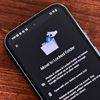
How to Hide Photos on Your Android Phone
If you have photos and videos on your phone that you don't want friends and family to stumble upon, you can secure them in a locked folder. Here's how.
-

DOT closes airline privacy review with no penalties
DOT found no consumer privacy violations at the 10 biggest U.S. airlines and took no action. Here's what the review covered and what critics say it missed.
-

Millions filed for AT&T's $5,000 payout. Most will get under $10
A judge approved AT&T's breach settlement, but court estimates put most payments under $10, far below the "up to $5,000" headlines.
-

Apple bug linked to sophisticated attack: what to know
Apple says an active zero-day exploit could run malicious code on your device. Fixes for iPhone, iPad, and Mac are now available.
-

Meta misled users in Trump-linked Facebook data case, jury says
Jurors found 31 of 34 Meta statements unfair or deceptive, years after a Trump campaign consultant used Facebook data to profile voters.
-

Hackers claim they stole personal data on every FBI employee
A hacking group claims it broke into FBI-related systems and stole personal information on every FBI employee and job applicant.
-

Bank of America warns AI shopping bots could expose you to fraud
Bank of America and five major banking partners warn that AI shopping agents create new risks of scams, fraud, and data theft, and call for stronger safeguards.
-

Facebook's Muse AI assistant may secretly use human workers on calls
Meta is testing the use of human call center workers, not its AI, to handle some calls placed through its Muse AI app.
-

Data broker Radaris loses its website in privacy lawsuit
Atlas Data Privacy Corp won radaris.com and 13 other domains after the data broker spent years dodging a New Jersey privacy law protecting police and judges.
-

Spain reports the first data breach carried out by an AI agent
Spain reports the first known data breach where an AI agent, not a human hacker, found the flaw, broke in, and altered personal records.
-

Iran-linked hackers used fake apps to spy on activists and journalists
Cybersecurity agencies warn that Iranian state hackers are deploying fake versions of popular apps to spy on dissidents, activists, and journalists worldwide.
-

Hackers hijacked HBO Max's Reddit account to spread malware
Scammers used HBO Max's verified Reddit account to run fake ads that trick you into installing password- and crypto-stealing malware. -

AI can unmask how thousands of Georgia voters cast their ballots
A $20 AI tool traced 1.5 million Georgia ballots and unmasked thousands of voters. State officials rejected a mandatory fix ahead of November's election.
-

Fake dating apps used Claude to scam 25,000 people, Anthropic says
AI maker Anthropic found over 20 fake dating apps where Claude chatbots posed as matches, tricking 25,000 people into paying for messages.
-

Switching password managers on Android just got a lot safer
A new Android feature lets 1Password, Bitwarden, Dashlane, and Google Password Manager transfer saved logins and passkeys easily and securely.
-

Meta wants you to trust Muse, its new AI agent and personal shopper
Meta's new AI agent, Muse, can book travel and make purchases on your behalf. Given Meta's history of privacy violations, that's a big ask.
-

AI created worm could have hacked millions of people in a few hours
Researchers used AI to find an zero-day flaw in WeChat, and built a self-replicating worm that hijacked accounts simply through an incoming call.
-

FBI probes breach tied to 153 million stolen driver's licenses
A dark web service is selling scans of over 153 million U.S. and Canadian driver's licenses tied to a potential breach at ID verification giant IDScan.net.
-

Open ATF criminal case files leaked by Russian ransomware hackers
Qilin ransomware hit a standalone ATF system and leaked 6.3GB of files, including case records and phone extractions from open investigations.
-

Meta will pay $17.1 billion for hooking kids on Instagram
The $17.1 billion settlement with 51 states and territories adds teen time limits, nighttime blocks, and stronger parental controls to Instagram and Facebook.
-

Microsoft patches a Copilot flaw that let one click steal your data
Researchers used Microsoft Copilot's own connected accounts to steal email and calendar data with one click, no confirmation required.
-

Apple sued after privacy feature failed to hide your data
A law firm is suing Apple, claiming a privacy feature that millions pay for didn't actually keep their information hidden from websites.
-

Flock tightens rules on police use of its license plate cameras
After officers were caught stalking people with its license plate cameras, Flock now requires audit tools and case numbers for every police search.
-

Apple warns iPhone users in 110 countries of spyware attacks
Apple confirmed it sent mercenary spyware alerts across 110 countries on August 13 and cited Pegasus as a known example of the threat.
-

Delta flight hit by fake Wi-Fi network posing as the real one
Security researchers are pointing to a fake Wi-Fi network on a Delta flight as a textbook "evil twin" attack. Here's how the scam works and how to avoid it.
-
WhatsApp has a new feature to stop scam messages
WhatsApp's new Scam Alert feature uses on-device AI to warn you when a message looks like a scam, without sending your messages to Meta.
-

Chess.com data leak puts 7 million players in check
A hacker posted a database claiming to hold over 7 million scraped Chess.com accounts. No passwords were found, but the details could fuel phishing scams.
-

Amazon warns that product recall text message is definitely a scam
Fake Amazon recall texts are surging again in 2026. Here's how to spot one and what to do if you get it.
-

Fake Zoom update scam that hit Windows PCs now targets Macs too
A malware campaign that tricks people into installing a fake Zoom update, then takes over their computer, has expanded from Windows to Mac.
-

Hackers stole 52 billion cookies last year to hijack your accounts
NordVPN found 52.4 billion stolen browser cookies in one year, more than every other kind of stolen data combined. Here's what that means for your accounts.
-

How to protect your privacy on public Wi-Fi: 3 risks, 5 fixes
Most public Wi-Fi warnings are outdated. Here's what's still risky in 2026, from compromised hotel networks to captive portals that sell your data.
-

Apple faces a $32.5 billion lawsuit over Photos face scans
An Illinois class action claims Apple's Photos app builds a facial "faceprint" of everyone in your pictures without asking first.
-

Google sued over claims it shared US data with Temu, Baidu
A new lawsuit alleges Google's ad-tracking tools sent Americans' browsing data to Chinese companies Temu and Baidu without consent.
-

Zoom patches critical flaw letting hackers hijack accounts
Zoom fixed a critical Windows bug that let attackers take over accounts without a password. Here's what happened and how to update.
-

Goose Creek breach exposes data on 6.6 million shoppers
A breach at candle retailer Goose Creek exposed emails, names, phone numbers, and order details for 6.6 million customers. Here's what to watch for.
-

A Claude for Chrome flaw lets rogue extensions read your Gmail
Anthropic hasn't fixed a Claude for Chrome bug that lets a malicious browser extension trick the AI assistant into reading your Gmail, Docs, and Calendar.
-

Apple warns scammers are using FaceTime to drain bank accounts
Apple is telling iPhone users to hang up on suspicious FaceTime calls after scammers used the app to trick victims into handing over banking passwords.
-

How to lock your SIM card and stop SIM swapping
SIM swapping lets scammers hijack your phone number and your security codes. Here's how to lock your SIM for free on AT&T, Verizon, and T-Mobile.
-

Insurance Data Breach Exposes 6.9M Driver's Licenses, SSNs
A data breach at AssuranceAmerica exposed driver's license numbers, Social Security numbers, and insurance data for 6.9 million people. What to do now.
-

Passive income apps like Honeygain are routing criminal traffic
Investigators found traffic from a sanctioned Russian bank flowing through Honeygain. Here's why passive income apps could expose you to legal risk
-

WhatsApp usernames mean strangers never see your phone number
WhatsApp just opened username reservations, letting you message new people without giving out your phone number. Here's how to claim yours.
-

Amazon fined $2.25 million for denying records to fraud victims
Identity theft victims have a federal right to fraud records from retailers. Here's what the FTC's $2.25 million Amazon settlement means for you.
-

The best password managers to protect your accounts
Seven password managers tested. One clear winner for most people, one for privacy-first users, and one that costs nothing. Here's the breakdown.
-

Cheap Amazon TV boxes and photo frames are secretly committing crimes
Android TV boxes and photo frames sold by Amazon and Walmart are shipping with preloaded malware that routes crime through your home Wi-Fi. Here's how to check.
-

$3.5 billion lost to imposter scams in 2025, FTC says
FTC data show Americans reported losing $3.5 billion to imposter scams in 2025, nearly triple the losses recorded in 2020.
-

The best antivirus apps for Android in 2026
From free built-in tools to paid security suites, here's the software that keeps your devices safe from malware, phishing, and scams in 2026.
-

Best antivirus software 2026: free and paid picks
From free built-in tools to paid security suites, here's the software that keeps your devices safe from malware, phishing, and scams in 2026.
-

Google Calendar is adding scam billing notices to your schedule
Google warns that fake billing notices are landing in Google Calendar without you accepting anything. Here's the one setting to change.
-

FTC warns: Fake CAPTCHAs are installing malware
The FTC is warning about fake CAPTCHAs that install malware to steal your passwords and banking credentials. Here's how to spot them.
-

Meta admits its AI chatbot was stealing Instagram accounts
Meta's AI support chatbot had a security flaw that let hackers take over Instagram accounts just by asking. Here's what to do right now to stay safe.
-

Charter confirms Spectrum data breach: 13 million customers exposed
ShinyHunters leaked data on more than 13 million Spectrum customers after the ransom payment deadline passed. Here's what was exposed and what to do now.
-

Android's new Intrusion Logging tracks spyware activity on your phone
Google partnered with Amnesty International to build Intrusion Logging, a new Android 16 feature that detects and records phone surveillance.
-

How to protect yourself from YouTube deepfakes
YouTube’s Likeness Detection tool, previously limited to celebrities and top creators, is now open to anyone with a channel.
-

FTC warns Meta, TikTok, X: comply with nonconsensual image removal law
The FTC warned Meta, TikTok, X, and 12 other platforms to comply with the Take It Down Act or face $53,088 in fines per violation, effective this week.
-

How to prevent spam callers from leaving voicemail
Spam calls are getting smarter. Here's our latest advice on how to fight back with your phone's built-in tools, your carrier, and the apps worth paying for.
-

The White House app is a security and privacy mess
The official White House app bypasses privacy consent dialogs, has dormant GPS tracking, and loads code from a random developer's GitHub account.
-
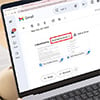
Google confirms Gmail security flaw that lets malware through
Google confirmed a flaw that lets hackers send malware through Google Drive with Gmail's own "Scanned by Gmail" safety label attached.
-

Netflix tracked and sold your viewing data, Texas lawsuit claims
Texas sued Netflix for tracking and selling subscriber data to advertisers, even on ad-free plans. Here's what Netflix subscribers should know.
-

Hackers target Canvas, steal student data and messages with teachers
Instructure, the company behind the Canvas learning platform used by millions of students, confirmed that names, emails, and messages were stolen.
-

Amtrak quietly loses 2M customer records – and hasn't warned anyone
Over 2 million Amtrak customer records – including home addresses and trip history – are now public. The railroad has stayed completely silent.
-

Robinhood admits its own email system was used to scam you
Robinhood is warning customers after hackers sent fake security alerts using the company's own email system.
-

Roku is bringing the creepy precision of web ads to your streaming TV
Roku's new Curate ad tool uses your Kroger, Instacart and Best Buy purchase data to follow you from the web to your streaming TV screen.
-

FTC reveals social media investment scams stole $1.1 billion in 2025
Scammers are building fake WhatsApp investing groups and phony platforms to drain your savings. The FTC says losses topped $1.1 billion last year.
-

Facebook cost Americans $794M in scams last year
The FTC says Facebook generated more fraud losses in 2025 than all text and email scams combined. Here's what to watch out for.
-

How to freeze your credit to stop identity theft
The best way to protect yourself from ID theft is to freeze your credit or add a fraud alert. Here's what you need to know about your options.
-

ADT refused to pay hackers – now 5.5 million customers' data is public
ADT's breach is its third since 2024. Hackers got in with one phone call, stole 5.5 million records, and just dumped them online.
-

The best VPNs for protecting your privacy
Many VPNs don't deliver on what they promise. Our tests show which VPNs offer the best combination of privacy, speed, features, and proven trustworthiness.
-
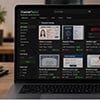
Your stolen identity could sell for just $35 on the dark web
Stolen U.S. identities, payment cards, and streaming accounts are selling cheaply on the dark web. Here’s what your data is worth to hackers.
-

Google Adds a 24-Hour Wait to Stop Scammers on Your Android Phone
Scammers are tricking victims into installing malware over the phone. Google's new Android process adds a 24-hour delay to break their grip.
-

A 30 Million Call Loan Scam Hit My Phone Every Day for Months
A single robocall loan scam made 30 million calls in March using AI voices. I was a daily target. These new phone tools and FCC rules are fighting back.
-

FTC warns about texts claiming your rewards points are expiring
Did you get a text about your rewards points expiring? The FTC says there’s a chance it’s a phishing scam to steal your personal data. -

Is Your Router Compromised? FBI Exposes Russian Hacking Campaign
Russian hackers hijacked home routers to steal passwords and emails. Here's how to tell if yours was one of them and what everyone should do now.
-

How to Tell if Your Phone Has Been Hacked
Check for the warning signs your phone has been hacked, what settings to review, and what to do next to secure your accounts and device.
-

FBI Report: Online Scams Stole $20.9 Billion from Americans in 2025
Americans filed more than 1 million fraud complaints in 2025, with AI-powered fraud, crypto cons, and sextortion driving the surge.
-

FBI Warns: Foreign Apps Are a Bigger Risk Than You Think
Chinese-developed apps can collect your data even when you're not using them. The FBI says it's time to take app permissions seriously.
-

ExpressVPN launches private AI that won’t train on your chats
ExpressVPN's new ExpressAI platform gives you access to multiple AI models with the promise that your data stays private and off-limits for training.
-

Kash Patel's Gmail got hacked. We read the files so you don't have to
Iranian hackers breached FBI Director Kash Patel's personal Gmail and dumped 300+ emails online. We reviewed the files. There's almost nothing there.
-

The best authenticator apps to protect your accounts in 2026
SMS text codes aren’t secure enough to protect your accounts. Here’s why authenticator apps are safer, and the best ones to use now.
-

Why fake customer support chats are scamming so many people
Scammers are using live chat tools to impersonate brands like PayPal and Amazon. Here’s how the scam works and how to avoid it.
-

The IRS just flagged 12 scams that could hit your refund
Scammers are using AI, social media, and fake tax advice to steal refunds and personal data. The IRS Dirty Dozen breaks down what to watch for.
-

FBI warns hackers may be using your home internet without you knowing
Criminals are routing cyberattacks through ordinary households using residential proxy networks. Learn how devices get hijacked and how to stop it.
-

How to Tell if Your Number Was Spoofed & What You Can Do About It
If scammers have spoofed your number, there’s no obvious sign on your phone or bill. However, here are a couple of ways to tell if your number has been spoofed.
-

The Cruel New Scam Targeting People Searching for Lost Pets
Fraudsters are using AI-generated photos and emotional pressure to trick people searching for missing pets. We explain how the scam works.
-

Porn addiction app reportedly leaked what users say they watch
An app designed to help people quit porn reportedly exposed personal details and porn-watching activity from hundreds of thousands of users.
-

How to Delete an Old Facebook Account When You Can't Log In
These steps will help you delete a Facebook account, even if you can't log in or access the old email address or phone number associated with it.
-
How to Delete Your Facebook Account Permanently
Tired of Facebook? Here are the simple steps to permanently delete your Facebook account and all of your history or temporarily deactivate it.
-

How to Tell if Your Phone Has Been Cloned or SIM Swapped
Think your phone was cloned or you're a victim of SIM Swapping? Learn the warning signs, what to do fast, and how to lock down your carrier and accounts.
-

2FA Explained: The Safest Ways to Protect Your Accounts
Two-factor authentication (2FA) prevents hackers from gaining access to your accounts even if they have your password. Here are the best practices for using 2FA.
-

Tech Safety Tips If You’re Attending a Protest
Protests can be unpredictable. Here’s how to protect your phone, video recordings, location data, and personal privacy.
-

How to Use a Hardware Security Key to Protect Your Accounts
Security keys are the most secure way to stop SIM swaps and phishing attacks. Step-by-step instructions for Google, Apple, and Microsoft.
